

The Math Behind the Machine: Why Smart Players Still Lose
Every slot player has that one machine. The one that paid out a $400 jackpot on a Tuesday afternoon in 2019, the one you still visit like an old friend. And every slot player has wondered: is this machine due? Does it owe me after all those dead spins? The answer is uncomfortable, but understanding it will save you more money than any tip sheet ever will.
Modern slot machines don't run on luck. They run on a random number generator (RNG) that cycles through thousands of outcomes per second, whether you're playing or not. Each spin is completely independent. The machine has no memory, no sense of debt, and no affection for you. A machine that hasn't paid out in three hours is exactly as likely to hit the jackpot on the next spin as one that just emptied its hopper.
The Odds Are Printed on the Box (If You Look Hard Enough)
Every regulated slot machine is legally required to display its return to player (RTP) percentage somewhere on the cabinet or in the game's info screen. Most land-based slots sit between 85% and 92%. Online slots typically run higher, often 94% to 97%. That percentage represents the theoretical amount returned to players over millions of spins, not a promise for your session.
Here's what an RTP actually means in practice. Take a machine with a 90% RTP. For every $100 wagered on it over its lifetime, the casino keeps about $10. That's the house edge, and it's why casinos can build fountains and chandeliers. Your personal session might see a 200% return or a 40% return, and both are perfectly normal statistically. The variance is the game.
A quick comparison that most players never think about:
- Land-based slots: 85-92% RTP, tight but physically satisfying
- Online slots: 94-97% RTP, better odds but faster spin rates
- Video poker (Jacks or Better, optimal play): 99.5% RTP
- Blackjack (basic strategy, liberal rules): 99.5% RTP or better
- Live dealer roulette (European, single zero): 97.3% RTP
- Live dealer roulette (American, double zero): 94.7% RTP
Notice something? The games where you make decisions, however small, consistently beat the games where you don't. That's not an accident. It's the trade-off between entertainment and edge.
Poker Is the One Game Where the House Doesn't Have to Beat You
Poker occupies a strange space in the casino ecosystem. The house doesn't play against you. It takes a rake, typically 5% to 10% of each pot up to a cap, and lets the players scrap it out. That means your profit or loss comes down to skill relative to the people at your table. A competent player at a weak table can win consistently. A weak player at any table can lose it all and blame the dealer.
The key variables in poker are position, table selection, and discipline. Position matters more than your cards in many situations. A mediocre hand on the button is worth more than a decent hand in the small blind. Table selection is underrated: if you're the worst player at the table, you're the mark. If you can't identify the mark within twenty minutes, it's you. For up-to-date information, visit hb88go.in.net.
Most recreational poker players fail for one boring reason: they play too many hands. Tight-aggressive play wins in low-stakes games because most opponents can't fold. The temptation to see a cheap flop from the cutoff is exactly how chips leak out of your stack over a three-hour session.
Bankroll Management Separates Players from Gamblers
This is the least glamorous and most important part of the entire conversation. You can find a game with a 2% house edge, but if you're betting 20% of your bankroll on a single hand, you will go broke anyway. Variance doesn't care about edges in the short run.
Practical bankroll rules that experienced players actually follow:
- Deposit only what you'd spend on a night out. If losing it ruins your month, you've already lost.
- For slots, budget 100 to 200 spins minimum. Anything less is all variance, no game.
- For poker cash games, sit with 100 big blinds. Less than that limits your ability to play properly.
- Never chase losses into a second session. The machine doesn't know you're down. Neither does the table.
- Set a session stop-loss before you start playing. Write it down. Honor it like a contract.
If you're playing for the adrenaline of a big score and don't care about longevity, fine. Just be honest with yourself about why you're there. The worst outcomes happen when players claim they're playing for fun while actually trying to fix their finances.
The Psychological Traps Nobody Talks About
Slot machines and casino tables are engineered around known cognitive biases. Near-misses (two jackpot symbols with a blank in between) trigger the same dopamine response as actual wins. In many regions, that design feature is now considered so manipulative that regulators have pushed slot manufacturers to reduce its frequency.
Another trap is the available win display. You see $12,000 as the top payout. Your brain struggles to distinguish between that number and your realistic outcomes. Even game designers admit that the flashy multiplier visuals do more psychological work than the actual paytable.
The most expensive bias, though, is the sunk cost fallacy. "I've put $500 in this machine already, I can't stop now." You can always stop. The $500 is gone either way. Staying only adds to the loss on average, because the house edge never flips in your favor based on how much you've already donated.
Where Online Play Genuinely Wins
Online casinos deserve credit where it's due. RTPs are typically higher, game catalogs are enormous compared to a land-based floor, and live dealer tables bring a social element that pure digital games lack. Bonuses and promos, when you read the terms carefully, can add real value. What they rarely do is overcome the house edge over a long stretch, no matter what a marketing email promises.One concrete comparison: a brick-and-mortar slot might have a 91% RTP. The same game online might offer 96.5%. On $5,000 of cumulative wagering, that difference is $275 in expected value. Over a year of casual play, it's a vacation budget. The trade-off is that online play is faster, more convenient, and therefore has a higher risk of overextending if you don't set session limits on the platform itself.
Conclusion: Play the Game, Don't Let It Play You
Casinos don't lose to lucky players. They lose to nothing. The house edge guarantees a profit across millions of wagers, and no personal streak changes that. What you can control is which games you choose, how much you stake, how long you play, and whether you walk away while you're still enjoying yourself.
If you want a real edge, switch to games with decisions: poker, blackjack with basic strategy, video poker with a good paytable, and live roulette on a single-zero wheel. And if you just love spinning reels, that's fine too. Treat it as paid entertainment, budget for the full cost, and enjoy the ride. Just don't ask the machine if it's due. It stopped listening a long time ago.
tag: iGaming

Sophie Clarke Author
Use low-level lamps and dimmable bulbs to keep coastal rooms inviting after sunset without losing their airy daytime character.
YOU MAY ALSO LIKE
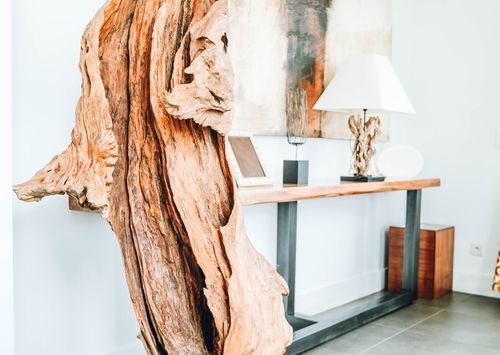
Choosing Warm Lighting for a Seaside Cottage Interior
Sep 23
10Arrange found treasures in glass jars or on open shelves to add gentle coastal detail without making a room feel cluttered.
read more
Simple Ways to Display Driftwood and Shells at Home
Sep 20
10Combine soft whites, muted blues and sandy neutrals to make compact spaces feel lighter, calmer and more connected to the sea.
read moreInteriors
-

ERRIC CATONA
Choose tough grasses, hardy shrubs and wind-tolerant perennials that thrive in exposed coastal conditions while still looking natural and beautiful.
May 19, 2016 at 5.12 pm
Reply
ERRIC CATONA
Transform a plain glass jar with garden rope and a simple tea light to create a rustic lantern for shelves or outdoor tables.
May 19, 2016 at 5.12 pm
Reply -
ERRIC CATONA
Natural fabrics in washed finishes bring texture and comfort to sofas, beds and windows without feeling overly formal or delicate.
May 19, 2016 at 5.12 pm
Reply
Lighting
Your email address will not be published.