
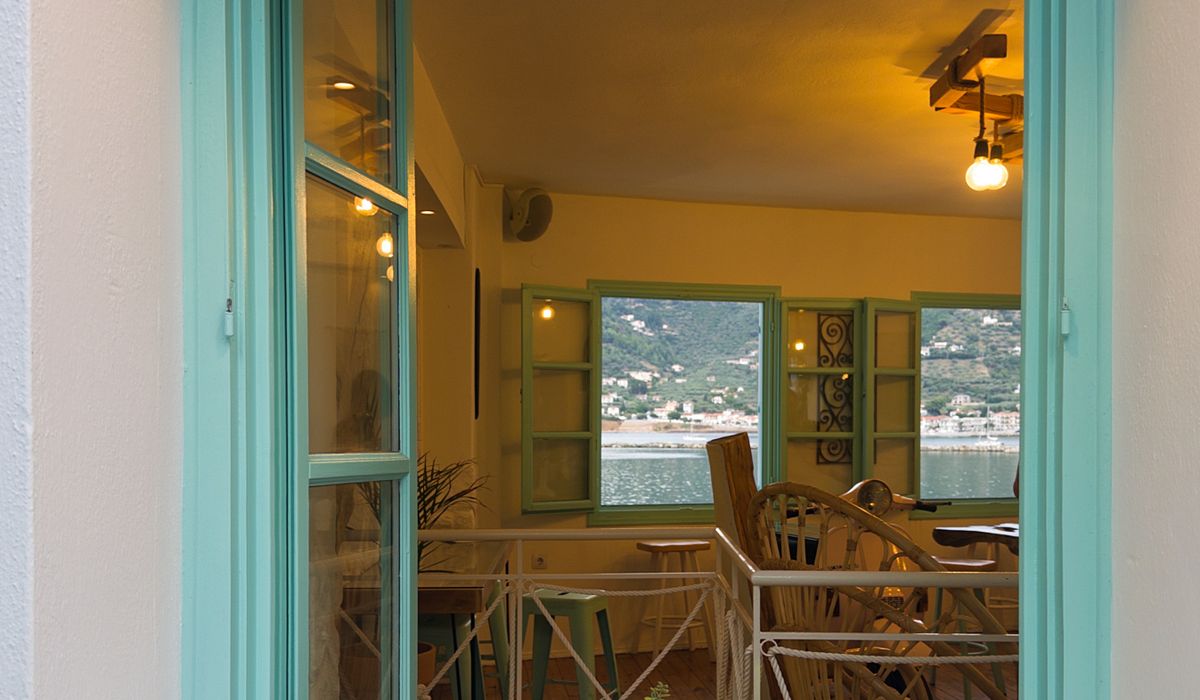
How to Style a Coastal Living Room with Natural Textures
Start With a Calm Base and a Deliberate Palette
Coastal decorating goes wrong when it is treated as a theme rather than a mood. The rooms that genuinely feel like the seaside rarely contain a single anchor motif or a painted seagull. Instead, they borrow the coast's actual qualities — pale light, weathered surfaces, soft movement — and translate them into a living room that works in a Manchester terrace just as well as a Cornish cottage.
Before you buy anything, settle on a simple ratio. Around sixty per cent of the room should be a chalky neutral: warm off-white, oatmeal, pale sand or a gentle greige. Another thirty per cent carries texture in those same tones — linen, jute, rattan, washed cotton. Just ten per cent brings the blue. Keeping blue as an accent rather than a wash is what stops a coastal scheme tipping into something that feels like a holiday let.
In British homes, always lean warm with your neutrals. A cool blue-grey on the walls of a north-facing sitting room will read grey and slightly gloomy from October onwards. A neutral with a hint of yellow or red in it holds up far better against our low winter light.
Layer Linen Everywhere You Can
Linen is the single most useful fabric in a coastal interior because it creases, drapes and softens rather than sitting stiffly. If your sofa is past its best, a loose linen or linen-blend slipcover is cheaper than replacing it and instantly relaxes the shape. Look for a washed or stonewashed finish, which is softer from day one and hides marks better than crisp new linen.
- Sofas and armchairs: pure linen creases heavily, so a linen-cotton blend is often the more practical choice for family rooms.
- Cushions: mix a 55cm square with two 45cm squares per sofa seat. Use one plain linen, one broad stripe or ticking, and one solid in your accent blue.
- Curtains: hang them from just below the ceiling and let them pool very slightly. Unlined linen filters light beautifully and gives that soft, sun-bleached glow.
- Throws: a washed linen throw folded over the arm of a chair adds texture without bulk.
Don't press everything flat. A few soft wrinkles are part of the look, and a linen cushion cover that has been tumble dried on low will always feel more inviting than one that has been starched.
Bring in Woven Texture With Rattan, Jute and Cane
Natural weaves provide the structure that stops an all-linen room feeling formless. Rattan and cane work particularly well because they are lightweight, so they don't visually crowd a small British living room the way heavy dark furniture can.
A rattan armchair, a cane coffee table or a woven pendant shade will each do the job. If you want to introduce just one piece, make it a pendant or a large basket — both are inexpensive and immediately soften a scheme.
For floors, a jute or sisal rug is hard to beat. Choose one large enough that at least 30cm of rug sits in front of the sofa's front legs, otherwise the room will feel mean. Layer a smaller flatweave cotton rug on top for extra softness underfoot, which matters enormously on bare floorboards in winter.
- Mix weave scales — a tight jute underfoot against a loose, open rattan basket.
- Use seagrass baskets for logs, throws and magazines so clutter stays contained.
- Vary the wood tones. Two or three related finishes (pale oak, limed wood, driftwood grey) look collected rather than matched.
- Look at secondhand sites and charity furniture shops; older cane pieces are often better made and cost far less.
Choose Your Blues With Care
The blue you pick decides whether the room feels restful or faintly nautical in the wrong way. Steer towards muted, greyed blues: faded denim, duck egg, soft indigo, or a blue with a touch of green in it. Bright marine navy paired with red is the combination most likely to look themed, so avoid using the two together.
Repeat your blue at least three times at different scales — a large piece such as a framed print or a rug border, a medium piece like a lampshade or ceramic lamp base, and a small accent such as piping on a cushion or a single glass vase. That repetition is what makes an accent colour feel intentional.
Always test a blue in the room before committing. Paint a sample patch on two walls and look at it in the morning, mid-afternoon and under lamplight. Blues shift more than any other colour family.
Finish With Lighting and One Dark Anchor
Coastal rooms need warm light. Fit bulbs around 2700K in table lamps and floor lamps, and avoid anything described as cool white or daylight in a living space. A woven or linen drum shade diffuses light gently and reinforces the textures you have already used.
One word of warning: an entirely pale room can feel insipid. Add a single dark anchor — a charcoal wool throw, a deep navy cushion, a dark wood side table — to give the eye somewhere to rest. It is the detail that separates a designed coastal room from a washed-out one.
Make It Work All Year Round
The beauty of a texture-led scheme is that it changes with the seasons without any redecorating. Keep the palette constant and swap the layers instead.
- Summer: remove the wool throw, switch to lighter cotton cushions, and let the linen curtains stay open later.
- Winter: add a chunky wool or chenille throw, layer a sheepskin over an armchair, and introduce a second table lamp for pooled, cosy light.
- Storage: keep out-of-season textiles in lidded seagrass baskets so they stay part of the scheme rather than cluttering it.
- Care: vacuum jute regularly but never wet it, shake cushions monthly, and rotate them so they fade evenly.
Build the room slowly, one texture at a time, and it will feel relaxed, layered and genuinely lived in — in any British home, in any month of the year.
tag: Interiors

Sophie Clarke Author
Use low-level lamps and dimmable bulbs to keep coastal rooms inviting after sunset without losing their airy daytime character.
YOU MAY ALSO LIKE
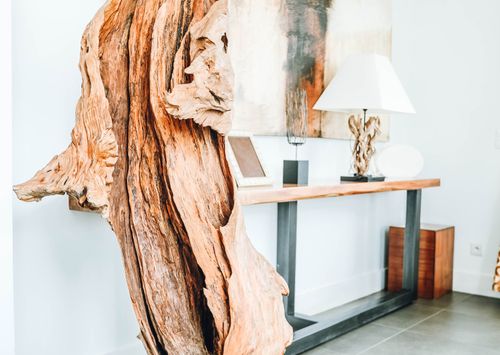
Choosing Warm Lighting for a Seaside Cottage Interior
Sep 23
10Arrange found treasures in glass jars or on open shelves to add gentle coastal detail without making a room feel cluttered.
read more
Simple Ways to Display Driftwood and Shells at Home
Sep 20
10Combine soft whites, muted blues and sandy neutrals to make compact spaces feel lighter, calmer and more connected to the sea.
read moreInteriors
-

ERRIC CATONA
Choose tough grasses, hardy shrubs and wind-tolerant perennials that thrive in exposed coastal conditions while still looking natural and beautiful.
May 19, 2016 at 5.12 pm
Reply
ERRIC CATONA
Transform a plain glass jar with garden rope and a simple tea light to create a rustic lantern for shelves or outdoor tables.
May 19, 2016 at 5.12 pm
Reply -
ERRIC CATONA
Natural fabrics in washed finishes bring texture and comfort to sofas, beds and windows without feeling overly formal or delicate.
May 19, 2016 at 5.12 pm
Reply
Lighting
Your email address will not be published.