
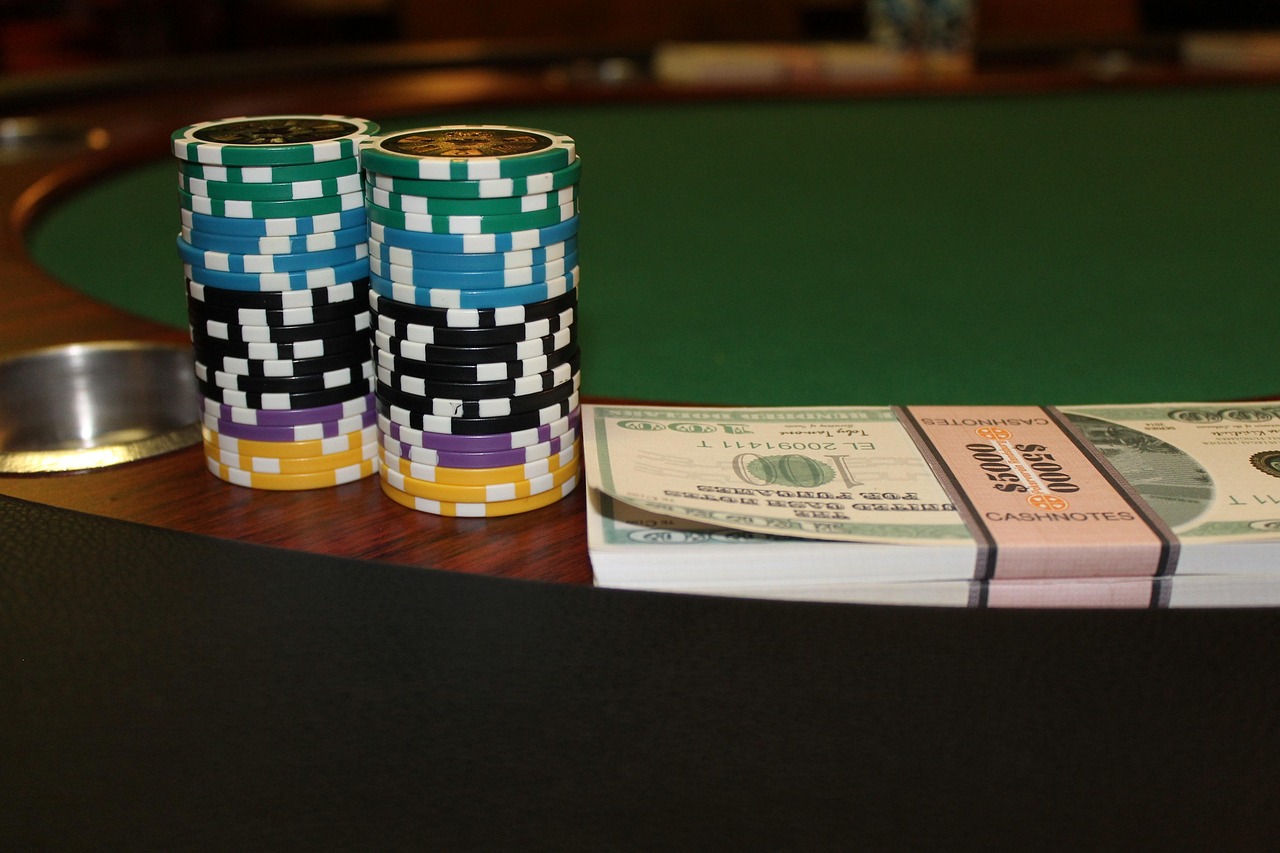
Why Smart Players Still Lose at Slots (And How to Fix It)
Ask ten slot players why they lost last weekend and you'll get ten different answers. The machine was cold. The bonus never came. The casino tightened the RTP. But spend enough time around people who actually track their sessions, and a pattern emerges: most losses have nothing to do with luck and everything to do with how players approach the game before they ever press spin.
This isn't another lecture about gambling responsibly. You already know the house has an edge. What you might not know is how much of your own edge you're giving away — through volatility mismatches, bankroll math, and psychological traps that cost more than any odds table ever will.
The Volatility Trap Nobody Talks About
Every slot has two numbers that matter more than the theme or the graphics: RTP and volatility. RTP (return to player) tells you what percentage of all wagered money the machine pays back over millions of spins. Volatility tells you how that money comes back.
A 96% RTP slot with low volatility might pay small amounts constantly. A 96% RTP slot with high volatility might eat 200 spins before dumping 500x your stake in one hit. Both return the same percentage over time — but they demand completely different bankrolls and mindsets.
Here's where players go wrong. Someone loads $50 into a high-volatility slot like Money Train 4 or San Quentin, spins at $1, and expects a bonus within 50 spins. When it doesn't come, the balance is gone and the machine 'robbed' them. It didn't. They simply brought a knife to a sword fight.
A rough rule of thumb experienced players use: for high-volatility slots, you want a bankroll of at least 300x your bet size. At $1 spins, that's $300. For medium volatility, 150x works. For low volatility, 100x is usually enough. สล็อตเว็บตรง is a solid starting point for anyone new to this.
Bet Sizing: The Math That Actually Matters
Casinos love players who adjust bets based on emotion. Lose five spins in a row, bump the bet to 'recover.' Hit a bonus, double the stake because 'the machine is hot.' This is how bankrolls evaporate in twenty minutes.
Smart slot play treats bet size as a fixed cost, like a cover charge. Set it before you sit down based on your total session bankroll, and don't move it. If $200 is your session and you're playing a medium-volatility game, that's roughly $1 to $1.50 per spin, full stop.
- Decide your total session bankroll first (money you can genuinely afford to lose).
- Pick a slot and check its volatility rating (most reputable casinos display this).
- Divide your bankroll by 100–300x depending on volatility to find your spin size.
- Write the number down. Don't deviate, even after a bad streak.
- Set a loss limit and a win limit. Walk when either hits.
Boring? Slightly. But boring sessions last longer, and longer sessions give variance a chance to work in your favor.
Why Poker Players Have It Easier (Sort Of)
Switch to poker and the dynamic flips. Slots are pure probability; poker is probability plus human error. That's why a patient player can genuinely profit long-term at poker while no one profits long-term at slots.
But most recreational poker players leak money in three predictable ways:
- Playing too many hands preflop. Folding is a skill. If you're seeing 45% of flops at a full table, you're bleeding chips.
- Ignoring position. The button isn't just a fancy seat. It's information. Late position lets you play more hands profitably; early position demands caution.
- Chasing draws without pot odds. If you need a 4:1 card to justify a call, make sure the pot is actually offering 4:1. Otherwise fold, even with a pretty flush draw.
The upside of poker is that your edge compounds. Every correct fold and disciplined raise builds a foundation. Slots can't do that. Which brings us to the honest truth about casino games as a whole.
The Only Games Where Skill Actually Shifts the Edge
If you're playing to make money, the list is short. Blackjack with basic strategy cuts the house edge to around 0.5%. Card counting can flip it entirely, though casinos actively discourage it. Video poker with optimal strategy on games like Jacks or Better can push the edge below 0.5% too. Sports betting, if you're genuinely sharp, can be profitable — but most bettors are not, and the bookmaker's margin on favorites often exceeds 4%.
Everything else — slots, roulette, keno, baccarat — is designed so that the house wins over time. That's fine. That's the point. You're paying for entertainment. The mistake is pretending otherwise and chasing losses as if the machine owes you something.
Players who enjoy slots most are the ones who treat the money as spent the moment they sit down. If a bonus lands, great. If not, they got three hours of entertainment for the cost of a couple of cinema tickets.
Practical Tips That Actually Change Outcomes
A few things worth doing regardless of which game you play:
- Claim bonuses with clear terms. A 100% match bonus with a 50x wagering requirement on slots sounds generous until you do the math. Read the fine print before you deposit.
- Play at licensed casinos. RTPs are audited. Withdrawal terms are enforced. Fly-by-night sites pay in excuses, not cash.
- Use time limits, not just money limits. A $200 loss limit means nothing if you keep depositing. A 60-minute session timer stops the marathon.
- Track your sessions honestly. A simple spreadsheet — date, game, stake, result — will teach you more about your habits than any forum thread.
- Avoid 'hot' and 'cold' thinking. Modern slots use RNGs. The machine isn't due. It isn't on a streak. Each spin is independent.
That last point alone saves more bankrolls than any strategy guide. The gambler's fallacy — believing a payout is 'overdue' after a dry spell — is the single most expensive misconception in the industry.
Final Thought
Nobody beats the house at slots over a lifetime. That's not pessimism; it's arithmetic. But that doesn't mean every session has to end in frustration. The players who get the most out of iGaming are the ones who understand the math, respect the variance, and treat the whole thing as what it is: a form of entertainment with a built-in cost.
Get that framing right, and everything downstream — bet sizing, game choice, session length — falls into place. Get it wrong, and you'll keep blaming the machine for a decision you made before the first spin.
tag: iGaming

Sophie Clarke Author
Use low-level lamps and dimmable bulbs to keep coastal rooms inviting after sunset without losing their airy daytime character.
YOU MAY ALSO LIKE

Choosing Warm Lighting for a Seaside Cottage Interior
Sep 23
10Arrange found treasures in glass jars or on open shelves to add gentle coastal detail without making a room feel cluttered.
read more
Simple Ways to Display Driftwood and Shells at Home
Sep 20
10Combine soft whites, muted blues and sandy neutrals to make compact spaces feel lighter, calmer and more connected to the sea.
read moreInteriors
-

ERRIC CATONA
Choose tough grasses, hardy shrubs and wind-tolerant perennials that thrive in exposed coastal conditions while still looking natural and beautiful.
May 19, 2016 at 5.12 pm
Reply
ERRIC CATONA
Transform a plain glass jar with garden rope and a simple tea light to create a rustic lantern for shelves or outdoor tables.
May 19, 2016 at 5.12 pm
Reply -
ERRIC CATONA
Natural fabrics in washed finishes bring texture and comfort to sofas, beds and windows without feeling overly formal or delicate.
May 19, 2016 at 5.12 pm
Reply
Lighting
Your email address will not be published.